FEATURED RESOURCES
Incident Response (NEW)
Automated detection, rapid containment, and forensic analysis for security incidents in distributed cloud-native systems.
Related market signal: Robinhood earnings miss impacted fintech sector trust.
→ READ ANALYSISNetwork Security
Microsegmentation, service mesh, zero-trust networking, and ingress/egress controls for distributed systems.
→ READ ANALYSIS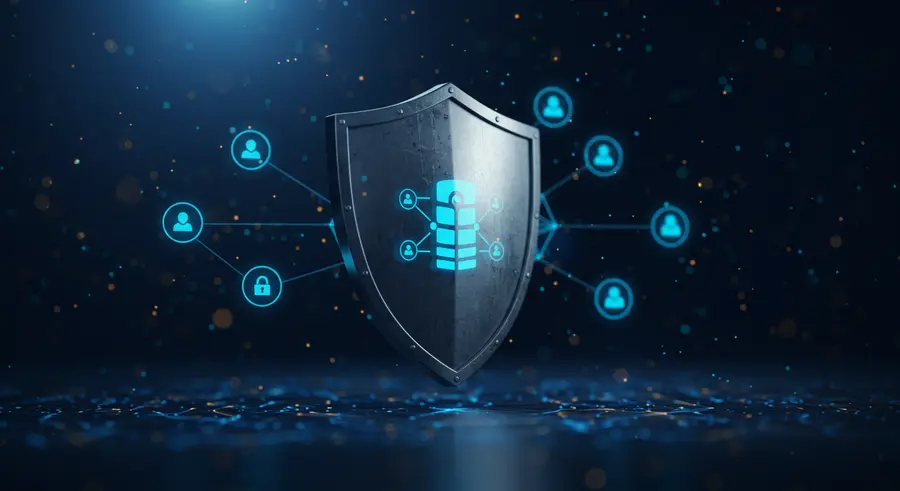
Kubernetes Security
Securing Kubernetes clusters from API server to individual pods. Comprehensive defense strategies for container orchestration.
→ READ ANALYSIS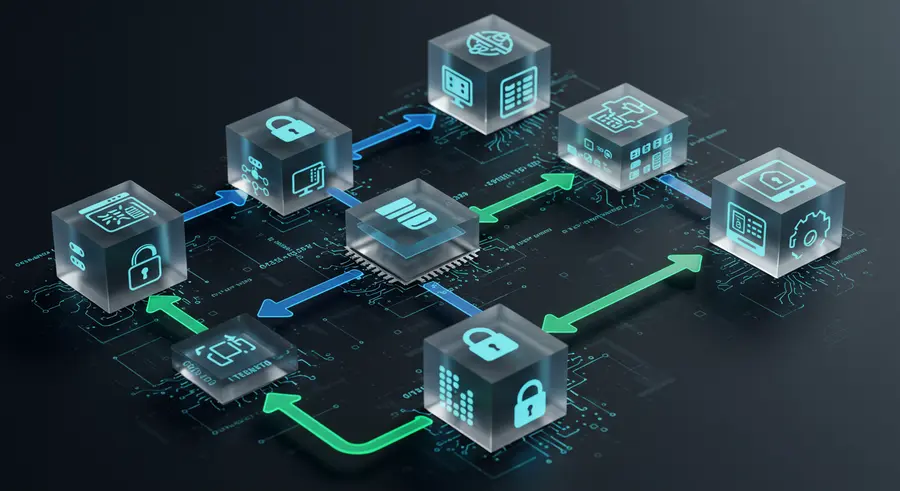
Supply Chain Security
Fortifying the software delivery pipeline from code inception to deployment. Risks, practices, and essential tools.
→ READ ANALYSIS
Data Security
Safeguarding data in distributed systems. Encryption, access control, lifecycle management, and compliance strategies.
→ READ ANALYSIS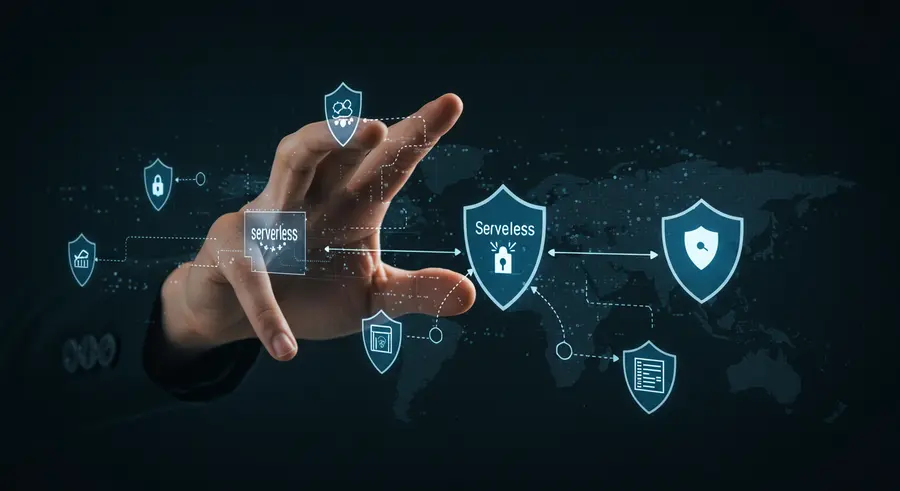
Serverless Security
Mastering the unique challenges of serverless architectures. Function protection, IAM, triggers, and secret management.
→ READ ANALYSISLatest Reading
Fintech Disruption as an Investment Opportunity: Reading the Signals — Fintech Disruption as an Investment Opportunity: Reading the...
Developer Compensation Trends in the AI Era: Salaries, Equity, and Strategy — Developer Compensation Trends in the AI Era: Salaries,...
INTRODUCTION: THE NEW SECURITY PARADIGM
As organizations adopt cloud-native architectures—leveraging microservices, containers, and orchestration platforms like Kubernetes—the traditional security model becomes insufficient. Classical network perimeters dissolve in distributed environments. New attack surfaces emerge across container layers, API endpoints, and ephemeral infrastructure. The cloud industry's explosive growth is driven by hyperscaler investments in infrastructure; Microsoft Azure surged 40% — what the $190B capex plan signals demonstrates the scale of capital deployment in cloud infrastructure. Simultaneously, this expansion creates security challenges that demand architectural innovation.
Cloud Native Security Explained serves as your comprehensive technical reference for architecting, deploying, and maintaining secure systems in these complex environments. The industry's hyperscalers continue to drive innovation and capacity—Amazon AWS just posted its fastest growth in 15 quarters, reflecting accelerating cloud adoption. Understanding security in this context requires staying informed about both technical controls and the business drivers reshaping cloud infrastructure.
Cloud-native technologies enable unprecedented agility, scalability, and resilience. Yet these same characteristics introduce vulnerabilities if inadequately managed. Security is no longer a secondary concern—it is a critical business imperative. The infrastructure race is intensifying: Google Cloud grew 63% — the AI infrastructure arms race is real, signaling that competitive advantage now flows through secure, well-architected cloud deployments. Even as companies invest heavily in infrastructure, they must balance expansion with security rigor.
Organizations must adopt a fundamentally different approach. An AI shepherd orchestrating agentic security workflows across microservices, containers, and serverless functions represents the emerging paradigm of intelligent, autonomous security operations in cloud-native systems. Tech leaders continue signaling massive AI spending commitments—Meta's $145B AI spending shock and what investors should think illustrates the scale of investment driving both AI capabilities and security complexity. Just as autonomous agents will drive innovation, so too must organizations automate threat detection and response across their cloud infrastructure. The competitive pressure is real: OpenAI missed targets — what it means for the AI sector, reminding us that security and operational excellence are prerequisites for sustainable growth.
What This Guide Covers
- Kubernetes Security: API server hardening, pod security, network policies, RBAC configurations, secrets management, audit logging.
- Data Security in Cloud-Native: Encryption strategies, key management, data classification, distributed access control, compliance frameworks.
- Serverless Architectures: Function-level security, IAM policies, event-driven threat modeling, cold start vulnerabilities, secret rotation.
- CI/CD Pipeline Hardening: Automated security scanning, artifact verification, secrets injection, deployment authorization controls.
- Cloud-Native Architecture Fundamentals: Microservices patterns, container ecosystems, orchestration layers, service mesh implementations.
- Zero Trust & Defense-in-Depth: Identity verification, network segmentation, runtime protection, DevSecOps integration, continuous validation.
- Threat Landscape Analysis: Common attack vectors targeting containers, Kubernetes misconfigurations, API exploitation, supply chain attacks.
- Tool Ecosystems: SAST/DAST platforms, container scanning, runtime monitoring, policy enforcement, incident response systems.
KEY TOPICS & LEARNING PATH
Foundation Layer
Begin with understanding cloud-native architectures and the core security principles adapted for distributed systems. These establish the conceptual framework for all subsequent topics.
Implementation Layer
Explore specific technologies: Kubernetes hardening, serverless function protection, and data-layer encryption strategies. Each requires distinct architectural approaches.
Operations Layer
Integrate security throughout the lifecycle: automated scanning in CI/CD pipelines, supply chain risk management, and runtime monitoring systems.
Strategic Layer
Understand the broader context through threat modeling specific to cloud-native, industry best practices, real-world case studies, and emerging trends including AI-driven security orchestration.
AUDIENCE & SCOPE
| AUDIENCE | FOCUS AREAS |
|---|---|
| Software Developers | Secure coding practices, container image hardening, secrets management, secure API design |
| Infrastructure Engineers | Kubernetes configuration, network policies, RBAC, secrets encryption, audit logging |
| Security Practitioners | Threat modeling, vulnerability assessment, compliance frameworks, incident response, security automation |
| Technology Leaders | Risk assessment, architectural decisions, tool selection, organizational security strategy |
Whether you are designing architecture, writing code, configuring infrastructure, or making strategic decisions, this guide provides actionable technical guidance grounded in real-world scenarios.
Complementary Resources
For deeper context on application security, review the OWASP Top Ten for web application vulnerabilities. For broader enterprise IT perspective, consult Red Hat's cloud-native overview. For the latest AI-driven insights in security research and threat intelligence, stay informed via AI TL;DR's daily AI news digest to track emerging security technologies and LLM-based threat patterns.
OUR MISSION
To empower engineers, architects, and security professionals with the understanding and tools necessary to build secure, resilient, and innovative cloud-native systems. We are committed to safeguarding digital assets in this rapidly evolving technological landscape through evidence-based guidance, practical examples, and strategic analysis.
New Explainers
Chart Patterns and Technical Analysis: What the Charts Say — Chart Patterns and Technical Analysis: What the Charts...
ETFs, Mutual Funds and Index Funds Compared — ETFs, Mutual Funds and Index Funds Compared
The Tax Side of Investing, in Plain English — The Tax Side of Investing, in Plain English
Ready to begin your technical deep-dive?
→ EXPLORE ARCHITECTURES